
Where the skin opens
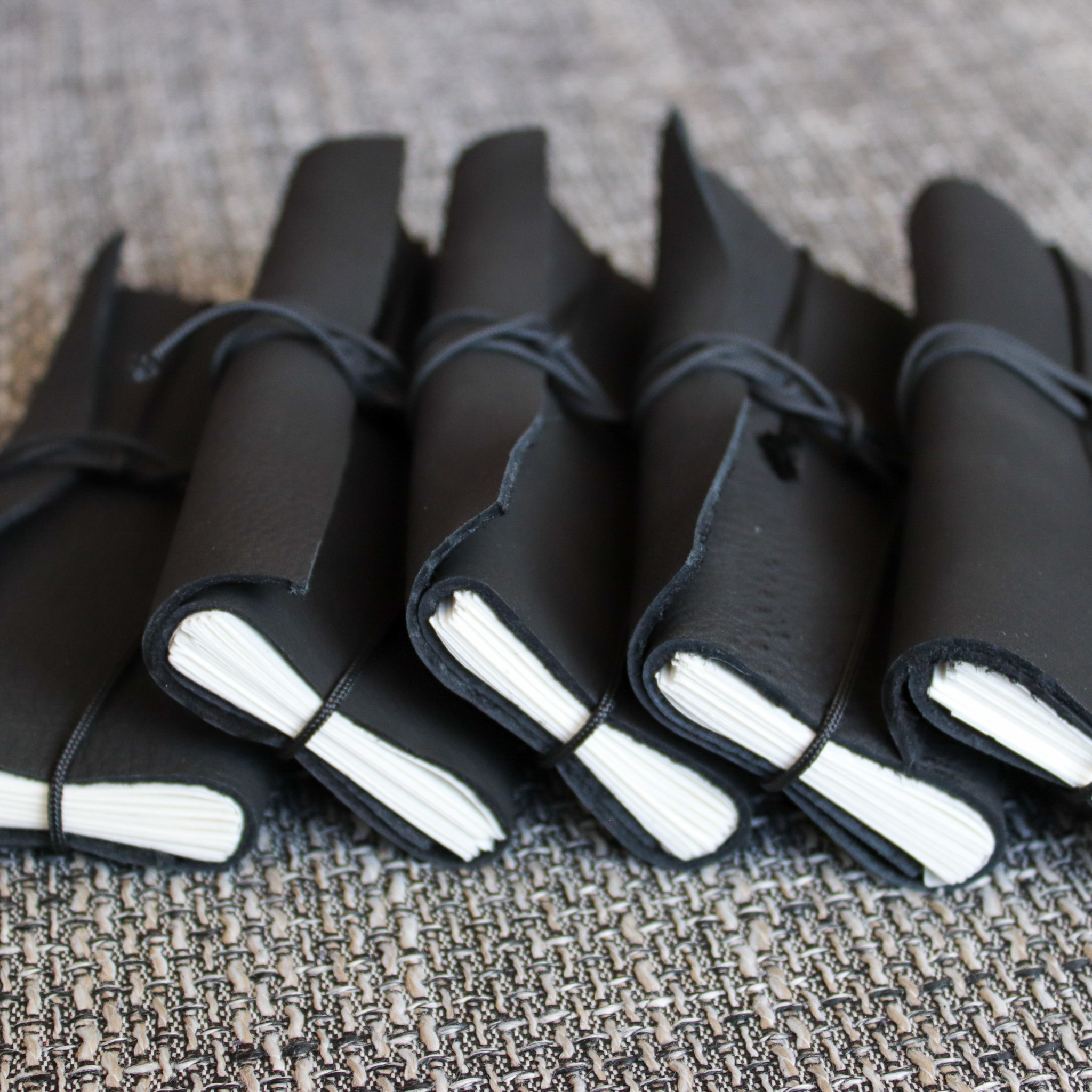
Hand-stitched and bound in real leather, Where The Skin Opens is a collection of poems moving through intimacy, desire, memory, and the fragile distance between bodies. Written across encounters, cities, and moments of solitude, the work traces a queer landscape shaped by longing, touch, and absence.
The poems drift through the ruins and streets of Italy, anonymous rooms, fleeting lovers, and the physicality of the male body. Fragments of conversations, gestures, and memories emerge and disappear like sketches; intimate yet unresolved. Desire is approached not only as erotic experience, but also as vulnerability, projection, and loss.
Printed on delicate Japanese rice paper, the materiality of the book becomes part of the reading experience. The softness and translucency of the pages echo the ephemeral nature of the poems themselves, where language often feels suspended between confession and silence. The tactile process of cutting, printing, stitching, and binding each copy by hand transforms the publication into both a literary and sculptural object.
Balancing tenderness with exposure, Where The Skin Opens functions as a quiet archive of queer encounters and emotional residue. The work lingers within the space where the body opens itself to pleasure, memory, and disappearance.
Where The Skin Opens, 2025, 7 × 15 cm, Hand-stitched poetry book, Japanese rice paper, leather. Limited edition of 33.
Memories of an Alexandrian Bed
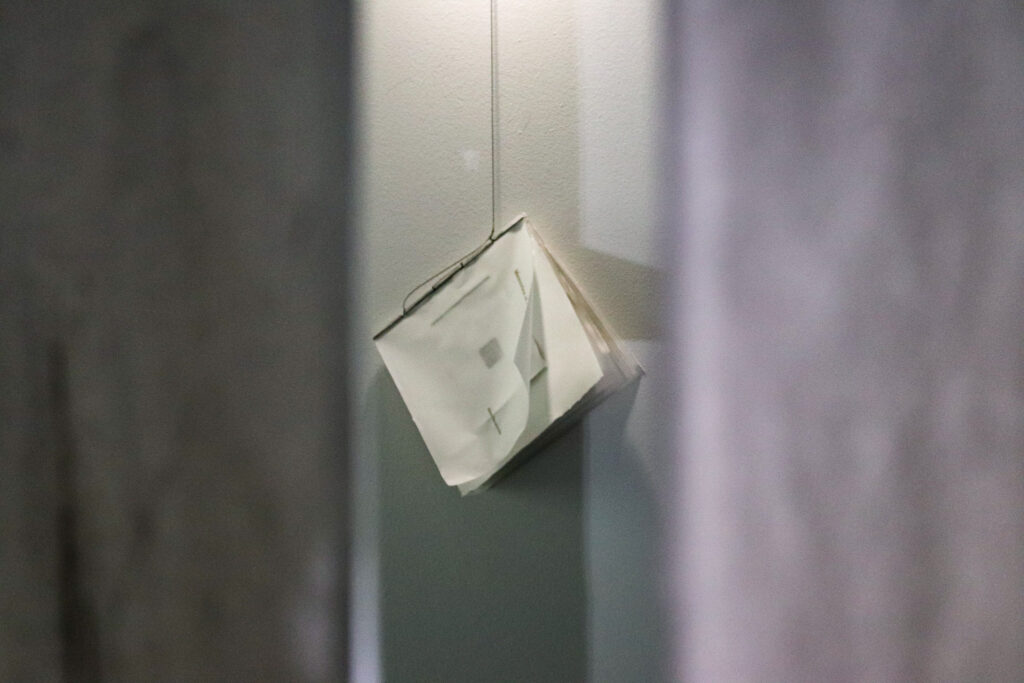
Memories of an Alexandrian Bed, 2025, 21 x 22 cm, Hand-stitched book of etchings and poetry.
The work was made in response to Ivan Grilo’s 2019 book, Não me Lembro Bem (I Cannot Recall Well), and incorporates both etching prints and a poem I wrote on the etching process.
The book begins with the street sign and address of Cavafy’s flat in Alexandria: “ΟΔΟΣ ΛΕΨΙΟΥΣ 10” (Lepsius Street, Number 10). Inside, I reimagine Cavafy’s bedroom through a series of etchings depicting isolated body parts.
The accompanying poem reflects on the etching process, which I interpret as inherently sensual, almost sexual in nature. By intertwining sacred or divine language with more profane, erotic imagery, I invite the viewer to question what they are reading: is it a description of a spiritual ritual, or a parable of a sexual encounter?